


Rally racing has grown from a specialized motorsport into a widely consumed global entertainment format. Its expansion has been driven by media innovation, technological advancements, and a deeper understanding of audience engagement. At the same time, the slot development industry has experienced rapid evolution, shaped by similar forces. What makes this comparison valuable is not just thematic overlap, but the structural similarities in how both industries attract, retain, and monetize audiences.
The rise of rally popularity is not случайный phenomenon. It reflects a broader shift in entertainment consumption where users expect interactivity, real-time feedback, and immersive experiences. These same expectations are now defining slot development market trends, pushing developers to rethink traditional game design and adopt more dynamic models.
As both industries evolve, several shared drivers explain their parallel growth:
- Increasing demand for immersive digital experiences
- Expansion of mobile and on-demand content
- Integration of real-time data and analytics
- Stronger focus on user retention and engagement loops
- Global accessibility through digital platforms
These factors demonstrate how rally’s popularity is not isolated but part of a wider transformation affecting the slot development landscape.
The Rise of Rally as a Modern Entertainment Product
Rally racing has successfully transitioned from a physical sport into a hybrid entertainment format that combines live action with digital interaction. Fans no longer passively watch races; they engage with statistics, follow driver performance, and consume content across multiple platforms.
Media Expansion and Audience Reach
The accessibility of rally has increased dramatically благодаря streaming services, social media, and advanced broadcasting technologies. This mirrors the slot industry’s shift toward mobile-first platforms and global distribution.
Modern audiences expect content to be available anytime and anywhere. Rally delivers this through live coverage, highlights, and interactive content, while slot games meet this expectation with instant gameplay and cross-device compatibility.
Engagement Through Unpredictability
One of the defining features of rally racing is its unpredictability. Weather conditions, terrain changes, and split-second decisions all contribute to a constantly changing experience. This unpredictability is a key driver of audience engagement.
Slot games replicate this dynamic through randomized outcomes, bonus features, and evolving gameplay mechanics. The principle is the same—maintaining excitement through uncertainty.
Translating Rally Engagement into Slot Development Trends
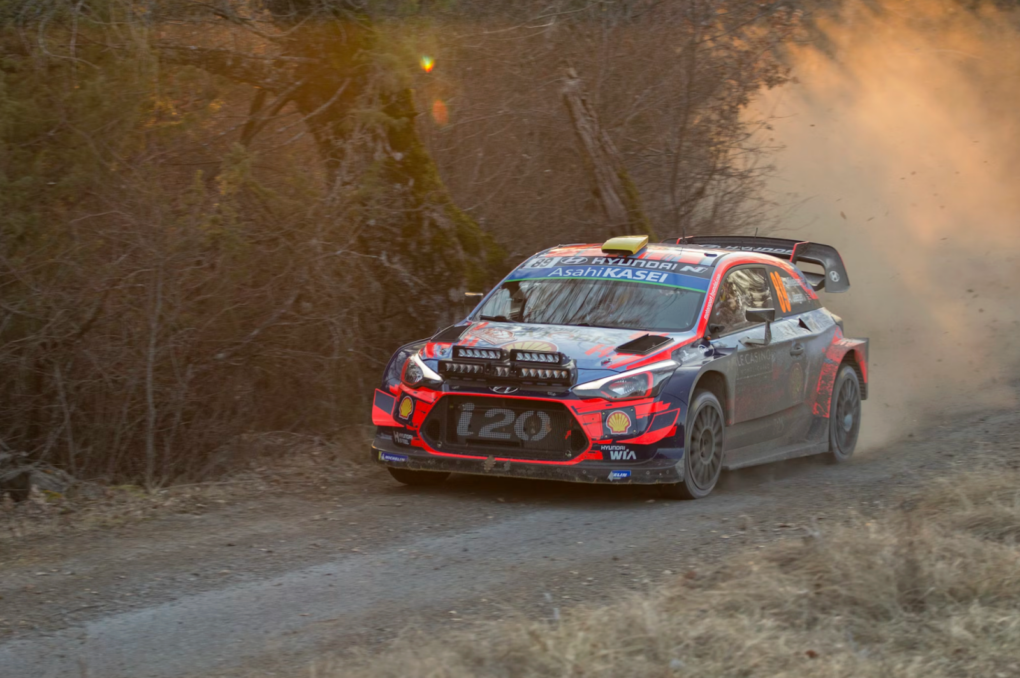
The popularity of rally provides clear insights into how entertainment products can sustain user interest over time. Slot developers increasingly apply these insights when designing new games.
Real-Time Interaction and Feedback
Rally fans follow live data such as speed, timing, and positioning. This real-time feedback loop keeps them engaged throughout the event. In the slot development industry, similar mechanisms are used to maintain player attention.
Games now incorporate:
- Dynamic animations that respond to player actions
- Instant feedback on wins and bonuses
- Adaptive features based on gameplay behavior
These elements create a more interactive experience, aligning with broader slot development market trends.
Structured Progression Systems
Rally events are built around progression—drivers move through stages, improve performance, and aim for better rankings. This structure translates effectively into slot game design.
Midway through gameplay, modern slot titles often introduce progression systems that encourage continued engagement. These systems include:
- Unlockable bonus rounds
- Tier-based rewards
- Achievement tracking
Such features give players a sense of advancement, making gameplay more meaningful.
Data-Driven Evolution in Both Industries
Both rally racing and slot development rely heavily on data to optimize performance and user experience. In rally, teams analyze telemetry data to improve speed and efficiency. In slot development, player data is used to refine game mechanics and increase retention.
Comparative Data Utilization
| Element | Rally Racing | Slot Development Industry |
| Data Type | Vehicle telemetry and environmental data | Player behavior and session analytics |
| Purpose | Improve performance and strategy | Enhance engagement and monetization |
| Real-Time Application | Adjust driving strategy during stages | Modify gameplay features dynamically |
| Long-Term Insights | Driver and vehicle performance trends | Player lifecycle and retention patterns |
This shared reliance on data highlights a fundamental similarity between the two industries. Both operate within feedback-driven systems where continuous optimization is essential.
Personalization and Adaptation
Rally teams adjust strategies based on conditions and performance metrics. Similarly, slot games are increasingly personalized, adapting to individual player preferences.
This includes tailored bonuses, customized gameplay experiences, and targeted in-game events. Personalization has become a core component of slot development market trends, reflecting a broader shift toward user-centric design.
Market Expansion and Global Accessibility
The global reach of rally racing has expanded significantly, driven by digital platforms and international events. This expansion parallels the growth of the slot development industry, which now operates on a global scale.
Digital Platforms as Growth Drivers
Rally’s presence on digital platforms has allowed it to reach new audiences beyond traditional motorsport fans. Similarly, slot games have moved beyond physical casinos into online and mobile environments.
This shift has resulted in:
- Increased accessibility for users worldwide
- Higher engagement through on-demand content
- Greater competition among developers
Both industries benefit from the scalability of digital distribution.
Cross-Industry Influence
The influence between rally and slot development is not one-directional. As rally adopts gamification elements, slot games borrow structural and thematic concepts from motorsport.
This взаимное влияние creates a cycle of innovation where ideas are continuously exchanged and refined.
Rally-Inspired Mechanics in Modern Slot Games
The impact of rally popularity on slot development is most visible in gameplay mechanics and design choices. Developers are increasingly incorporating elements that mirror the excitement and structure of rally racing.
Competitive Features
Rally is inherently competitive, with drivers striving for top performance. Slot games are beginning to integrate similar competitive elements, such as tournaments and leaderboards.
These features create a sense of community and competition, enhancing player engagement.
Risk and Reward Balance
Rally drivers constantly balance speed with control, taking calculated risks to gain an advantage. This concept is directly reflected in slot gameplay, where players decide how much to bet and when to activate features.
The balance between risk and reward is a key factor in maintaining player interest.
Immersive Thematic Design
Rally environments provide rich visual inspiration for slot games. From rugged terrains to high-speed action, these themes translate well into engaging game designs.
Developers use rally-inspired visuals and sound design to create:
- High-energy gaming environments
- Dynamic animations
- Realistic sound effects
These elements contribute to a more immersive player experience.
The Future of Converging Trends
As rally continues to grow in popularity, its influence on the slot development industry is expected to deepen. Both industries are moving toward more interactive, data-driven, and immersive experiences.
Emerging Technologies
Technologies such as virtual reality and advanced analytics will further enhance the connection between rally and slot development. These innovations will allow for more realistic simulations and personalized gameplay.
Evolving User Expectations
Modern audiences demand more than passive entertainment. They expect experiences that are engaging, interactive, and continuously evolving. Rally has successfully adapted to these expectations, and the slot development industry is following a similar path.
Conclusion
The growing popularity of rally racing reflects broader trends that are reshaping the slot development industry. Both sectors are driven by the same core principles—engagement, data utilization, and immersive design.
By analyzing how rally has evolved into a global entertainment product, slot developers can gain valuable insights into creating more compelling and competitive games. This logical connection highlights the importance of cross-industry inspiration in driving innovation.