
Rally racing has evolved far beyond a niche motorsport into a global entertainment product shaped by media, technology, and audience expectations. At the same time, the slot development market has undergone its own transformation, reflecting broader slot development market trends as it moves from simple mechanical games to highly immersive digital experiences. These two industries, while seemingly unrelated, share a growing intersection in how they engage audiences, use data, and design compelling experiences.
Modern slot developers increasingly look toward established entertainment formats like rally racing to inform their approach to game design, storytelling, and player retention. The evolution of rally entertainment offers a structured blueprint for how engagement, unpredictability, and performance-driven narratives can be translated into slot game mechanics.
In today’s competitive digital gaming landscape, several core elements define successful entertainment products across both rally and slot industries:
- Real-time engagement and dynamic pacing
- Strong thematic identity and visual storytelling
- Data-driven performance optimization
- Audience retention through progression systems
- Integration of risk and reward mechanics
These shared pillars explain why rally entertainment has become a valuable reference point for slot development trends.
The Transformation of Rally into a Digital Entertainment Model
Rally racing was once primarily a live, location-based sport with limited accessibility. Over time, advancements in broadcasting, streaming, and simulation technology have turned it into a widely consumed digital product. Fans no longer just watch rallies; they follow driver statistics, engage with onboard footage, and participate in virtual rally simulations.
Expansion Through Media and Technology
The integration of high-definition broadcasts, drone footage, and real-time telemetry has made rally events more immersive. This transformation mirrors the shift in slot games from static reels to interactive, feature-rich environments. Both industries now prioritize continuous engagement rather than passive consumption.
Gamification of Rally Experience
Rally entertainment has increasingly adopted gamification elements such as leaderboards, performance tracking, and interactive fan participation. These features closely resemble mechanics already central to modern slot games, including:
- Bonus rounds
- Progressive rewards
- Achievement systems
This overlap highlights a clear pathway for slot developers to incorporate rally-inspired structures into their games.
Influence of Rally Themes on Slot Game Design
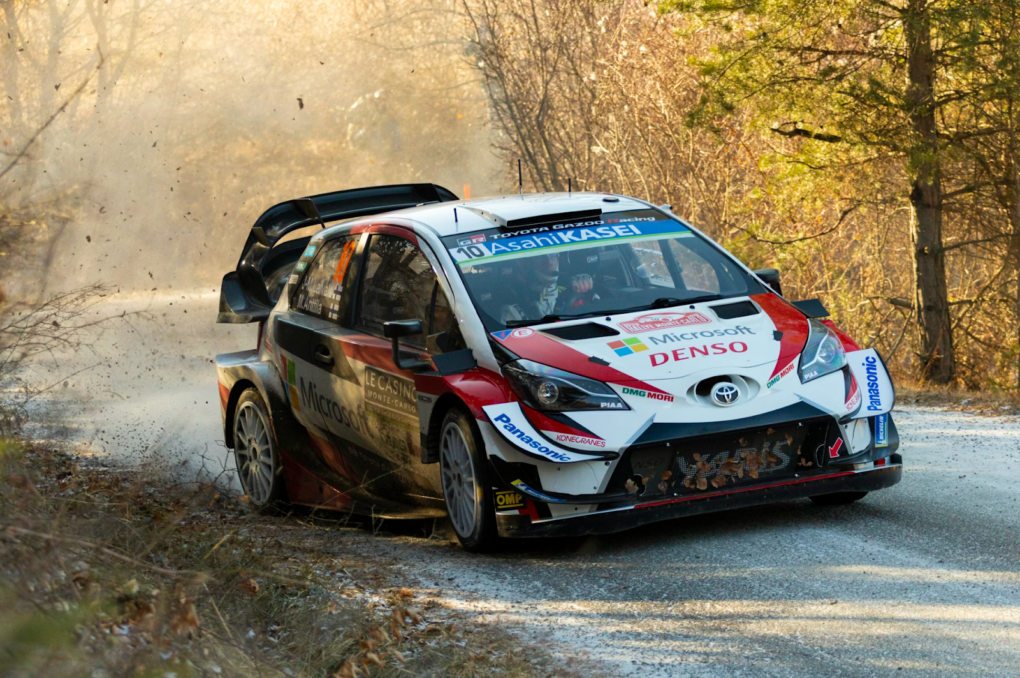
As rally racing gained popularity, it naturally became a thematic source for game developers. Slot games now frequently incorporate motorsport elements, including rally cars, race environments, and competitive progression systems.
Visual Identity and Immersion
Rally environments offer diverse visual settings such as forests, deserts, snow tracks, and urban stages. This diversity translates well into slot design, where visual variety plays a key role in maintaining player interest.
Developers use rally-inspired themes to create:
- High-energy animations
- Dynamic backgrounds
- Soundtracks that mimic race intensity
These elements enhance immersion and align with broader market trends toward cinematic slot experiences.
Narrative-Driven Gameplay
Rally racing inherently involves progression—drivers advance through stages, adapt to conditions, and improve performance. This structure is highly compatible with modern slot mechanics that emphasize progression over repetition.
Slot games increasingly incorporate:
- Level-based advancement
- Unlockable features
- Story-driven bonus rounds
By adopting rally-style progression, developers create a sense of purpose that extends beyond traditional spinning mechanics.
Data and Performance as a Shared Foundation
One of the most significant connections between rally entertainment and slot development lies in the use of data. Rally teams rely heavily on telemetry and performance analytics to optimize outcomes. Similarly, slot developers analyze player behavior to refine gameplay and maximize engagement.
Comparative Use of Data
| Aspect | Rally Entertainment | Slot Development Market |
| Data Source | Vehicle telemetry and driver performance | Player behavior and session data |
| Purpose | Optimize speed and control | Improve engagement and retention |
| Real-Time Adjustments | Strategy changes during races | Adaptive game features and difficulty |
| Long-Term Analysis | Performance trends across events | Player lifecycle and monetization trends |
This parallel demonstrates how both industries rely on continuous feedback loops to evolve and remain competitive.
Real-Time Optimization
In rally racing, decisions must be made instantly based on changing terrain and conditions. Similarly, modern slot games incorporate adaptive features that respond to player actions in real time. This includes dynamic bonuses, personalized offers, and evolving gameplay patterns.
Market Trends Driving Convergence
The slot development market is increasingly influenced by broader entertainment trends, including those seen in rally racing. As audiences demand more interactive and immersive experiences, developers must adapt by integrating proven engagement models.
Key Trends Shaping Slot Development
- Increased demand for immersive themes
- Integration of skill-based elements
- Expansion of mobile-first gaming
- Use of real-time data for personalization
- Cross-platform entertainment experiences
These trends align closely with the evolution of rally as a digital entertainment product, reinforcing the connection between the two industries.
Rally-Inspired Features in Modern Slot Games
Developers are not just borrowing themes—they are incorporating structural elements from rally racing into gameplay design.
Competitive Mechanics
Rally racing is inherently competitive, with drivers striving for the best times and rankings. Slot games are beginning to reflect this through:
- Tournament modes
- Leaderboards
- Multiplayer features
These additions create a sense of competition that enhances player engagement.
Risk and Reward Systems
Rally drivers constantly balance speed with safety, making calculated risks to achieve better results. This concept translates directly into slot mechanics, where players choose when to activate features, increase bets, or pursue bonuses.
Progression and Achievement
Midway through a rally event, performance tracking becomes critical. Similarly, slot games now emphasize progression systems that reward continued play. These systems often include:
- Unlockable bonus levels
- Tiered reward structures
- Achievement-based incentives
By integrating these elements, developers create a more structured and rewarding experience.
The Future of Rally Influence on Slot Development
As both industries continue to evolve, the connection between rally entertainment and slot game development is likely to deepen. Emerging technologies such as virtual reality, augmented reality, and advanced analytics will further blur the lines between sports entertainment and digital gaming.
Innovation Through Cross-Industry Inspiration
Rally provides a proven model for combining unpredictability, performance tracking, and immersive storytelling. Slot developers can leverage these elements to create games that feel more dynamic and engaging.
Expanding Audience Expectations
Modern players expect more than simple gameplay—they seek experiences that mirror the excitement and complexity of real-world entertainment. Rally-inspired slots meet this demand by offering:
- High-intensity gameplay
- Structured progression
- Interactive features
Conclusion
The evolution of rally entertainment has created a framework that extends far beyond motorsport. Its emphasis on engagement, data, and immersive storytelling has directly influenced trends in the slot development market.
By adopting rally-inspired themes and mechanics, slot developers are not only enhancing visual appeal but also redefining how players interact with games. This logical convergence reflects a broader shift in digital entertainment, where successful formats are adapted across industries to meet growing expectations.